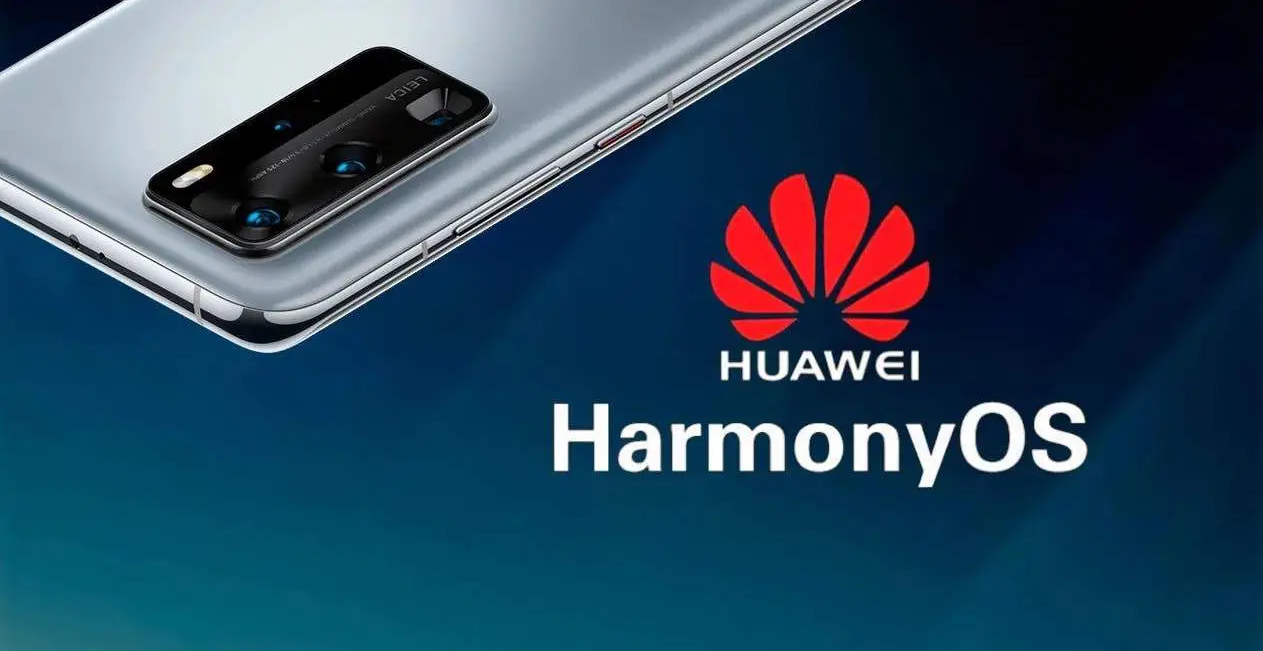
Huawei, the Chinese tech giant, is reportedly gearing up to release a PC version of its HarmonyOS Next operating system by the end of the year. This move marks a significant step in Huawei’s quest to establish a homegrown operating system that can compete with Windows and macOS.
What is HarmonyOS Next?
HarmonyOS Next is an Android-free version of Huawei’s existing HarmonyOS, designed for phones and tablets. Unlike the original HarmonyOS, which was based on the open-source version of Android, HarmonyOS Next is built from the ground up and doesn’t rely on any Android components. This makes it a truly independent operating system, free from any potential restrictions or sanctions imposed by the US.
Why is this important for India and Bangladesh?
The development of HarmonyOS Next has far-reaching implications for countries like India and Bangladesh, which are heavily reliant on Western technology. A successful HarmonyOS Next could offer a viable alternative to Windows and macOS, providing greater technological independence and reducing reliance on foreign software. This could lead to more affordable and accessible technology for consumers and businesses in these countries.
What can we expect from HarmonyOS Next on PC?
Leaked images of HarmonyOS Next for PC suggest a design heavily inspired by macOS, with a familiar status bar, dock bar, and traffic light system for window controls. While the focus has been on phones, recent government initiatives in China are pushing for wider adoption of HarmonyOS, including on PCs. This is in line with China’s broader goal of reducing dependence on Western technology.
Challenges and Opportunities
The development of a new operating system is a daunting task, and HarmonyOS Next faces significant challenges. It will need to attract developers to create apps for the platform, as well as convince users to switch from established operating systems like Windows and macOS. However, with strong government backing and a growing demand for alternatives to Western technology, HarmonyOS Next has the potential to disrupt the PC market and offer a new option for consumers and businesses in India, Bangladesh, and beyond.