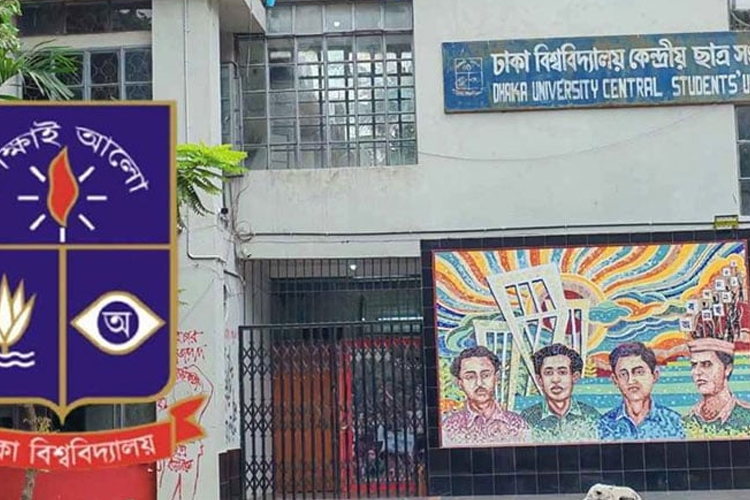
Two separate surveys published ahead of the Dhaka University Central Students’ Union (DUCSU) and hall union elections have placed Jamaat-backed Islami Chhatra Shibir-supported candidates in the lead.
But serious questions are being raised about the neutrality of these surveys, as several of those behind them are either openly affiliated with Shibir or contesting the election from the Shibir-backed panel.
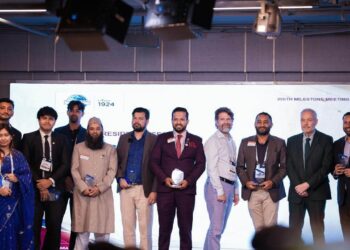
One of the surveys was conducted by a platform called Narrative, which held a press conference at Madhur Canteen to release its findings.
The survey claimed Shibir candidates were ahead in all three top posts– vice president (VP), general secretary (GS), and assistant general secretary (AGS).
However, campus observers point out that Narrative has hosted multiple events in recent months involving former and current Shibir leaders, including DU Shibir’s former president Ali Ahsan Junayed and current president SM Farhad.
The group’s founder, Abdullah Mohammad Ruhel, who presented the survey results, has also faced questions over his political leanings.
The second survey came from another group, Sochchar, which released an online-based study earlier.
Its DU chapter president, Anas Bin Munir, is himself a candidate from the Shibir-supported panel for a member’s post in the upcoming election.
Although Munir claimed the survey was done by the national unit of his organisation and not by him personally, his involvement has raised further suspicion among rival panels.
Student organisations opposing Shibir have outright rejected both surveys.
Leaders from the Chhatra Dal-backed panel, the left-leaning alliance Protirodh Parishad, and the Anti-Discrimination Student Council said the surveys were orchestrated to create a false impression of Shibir dominance.
They also criticised the sampling methods, pointing out that large sections of non-residential students– the majority of the electorate–were excluded from the data collection.
The timing of the surveys, just before the September 9 election, has fueled further debate.
Academics note that pre-election surveys often aim to shape voter psychology, rather than reflect reality.
Associate Professor Touhidul Haque of the Social Welfare and Research Institute observed that the lack of inclusive sampling undermines credibility, suggesting political motives behind the exercises.
With campaigning ending on Sunday, the surveys have already become a flashpoint in the battle for influence at Dhaka University.
Rival candidates insist that the real verdict will come through ballots, not surveys they dismiss as partisan propaganda.