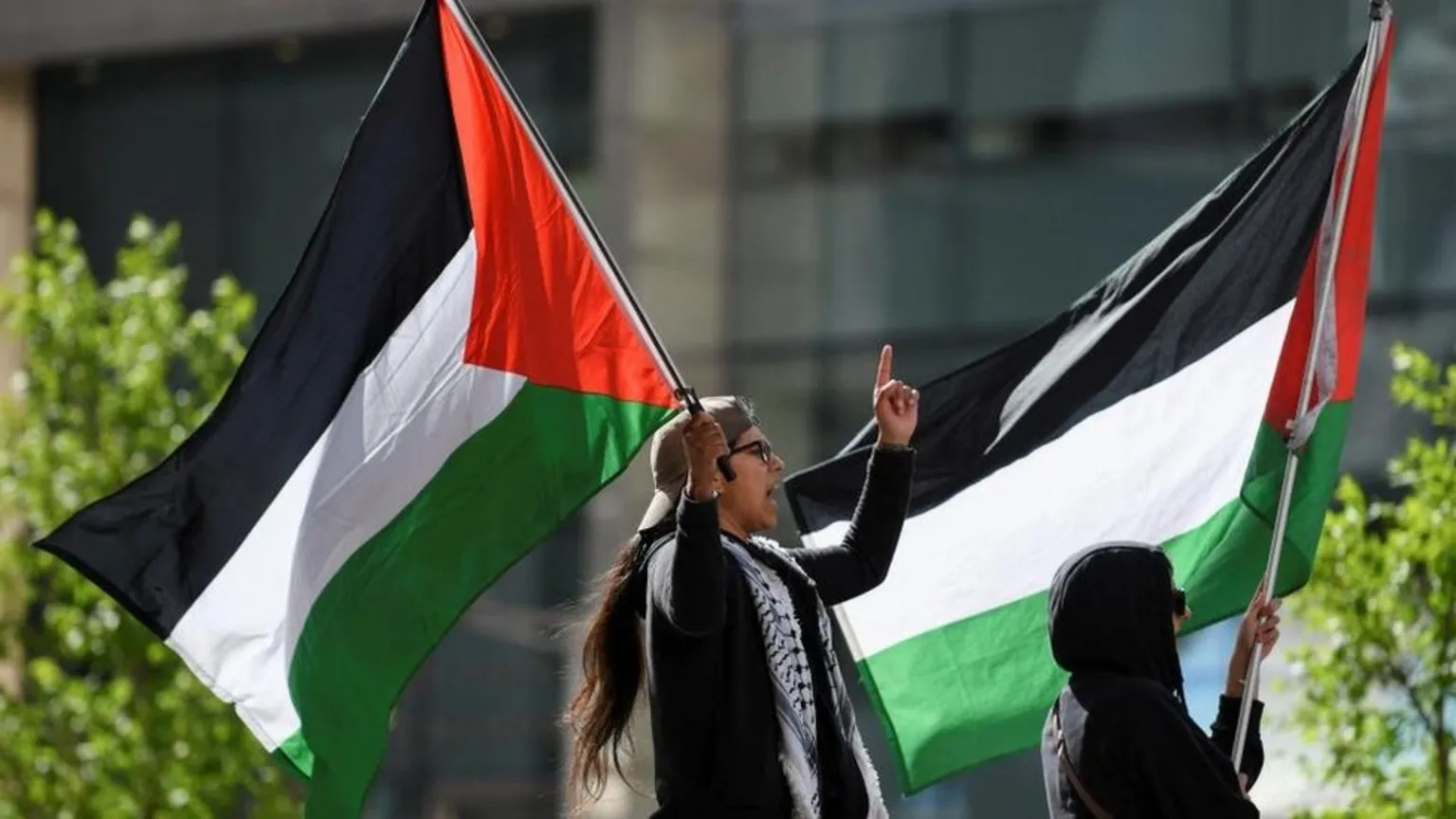
In a significant move, the United Nations General Assembly has called for Palestine to be admitted as a full member of the UN. Since 2012, Palestine has held the status of a non-member observer state, which grants it certain participatory rights but falls short of full membership, which only the UN Security Council can confer.
Despite the U.S. recently vetoing a bid for full membership, the General Assembly’s latest resolution marks a strong gesture of support for Palestine. Palestinian President Mahmoud Abbas hailed the resolution as an endorsement of their continued efforts to secure a vote on full membership from the Security Council.
Contrastingly, Israel’s ambassador to the UN, Gilad Erdan, criticized the resolution, dramatically shredding a copy of the UN Charter during his address to the assembly. He accused the assembly members of metaphorically doing the same by passing the resolution. His actions underscored the deep divisions and tensions surrounding Palestinian statehood.
The resolution enhances Palestine’s rights within the UN, allowing it to fully participate in debates, propose agenda items, and have representatives elected to committees. However, it does not grant the right to vote, a power that remains beyond the General Assembly’s authority and requires Security Council approval.
This development comes amid reports that several European countries, including Spain, Ireland, Slovenia, and Malta, plan to recognize a Palestinian state soon, adding further momentum to the Palestinian bid for statehood.
Despite being symbolically recognized by 139 of the 193 UN member states, the practical implications of statehood remain limited. The Palestinian Authority administers parts of the West Bank with limited autonomy, while the Gaza Strip is governed by Hamas since their takeover in 2007. The territories are considered by the UN as a single political entity occupied by Israel, which strongly opposes Palestinian statehood, citing security concerns.
The U.S. supports the establishment of an independent Palestinian state alongside Israel, advocating for a two-state solution. However, it insists that such a state should emerge from direct negotiations between the two parties, not unilateral actions or external impositions.
Source: BBC