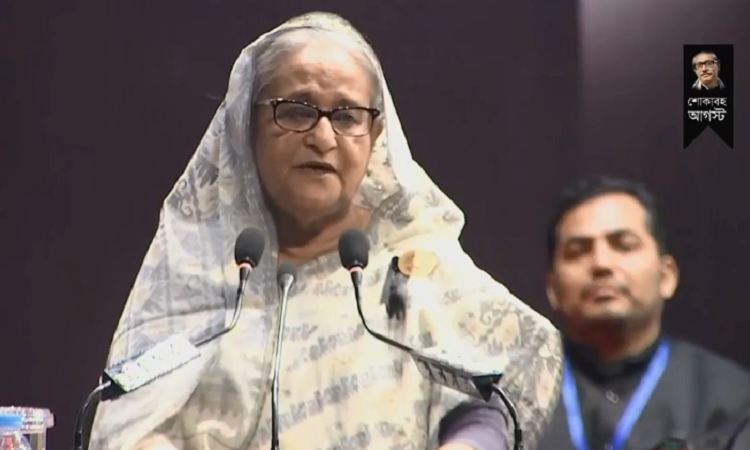
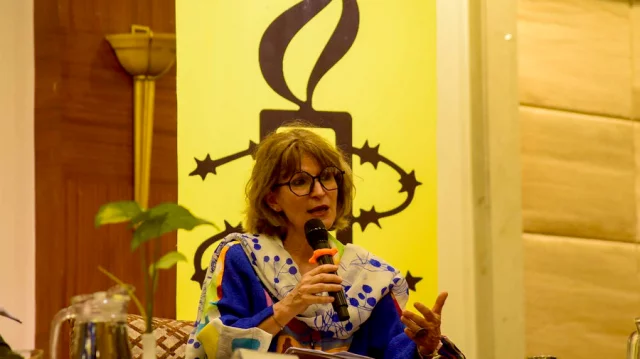
Expressing concern over the violence and fatalities in the quota reform movement in Bangladesh, Amnesty International’s Secretary General, Agnes Callamard, has addressed an open letter to Prime Minister Sheikh Hasina outlining six demands.
In the letter, published on Amnesty’s website on Tuesday (30 July), Callamard expressed deep concern over the recent crackdown on the quota reform movement in Bangladesh. She called for urgent and decisive action to stop the violence, ensure justice, and hold accountable those responsible for the deaths of over 200 people during the protests.
Callamard noted that the Home Minister of Bangladesh reported in a press conference on 28 July that 147 people had died in the violence. She pointed out the unlawful use of firearms, dangerous deployment of tear gas, and indiscriminate use of lethal weapons such as AK model assault rifles by law enforcement against protesting students.
She also highlighted the internet blackout faced by the people of Bangladesh since the evening of 18 July, the shoot-on-sight orders given to police, and the curfew imposed from midnight on 19 July. The ban on all protests in Dhaka is unprecedented in its suppression of freedom of expression and peaceful assembly.
Callamard emphasized that these restrictions violate Bangladesh’s obligations as a signatory to the International Covenant on Civil and Political Rights. The internet was partially restored on 23 July, curfew eased on 24 July, and mobile internet resumed on 28 July, although social media remains blocked.
The six demands presented by Agnes Callamard to the Bangladeshi government are as follows:
- Immediately lift the curfew, restore full access to social media platforms, and ensure that in the future, curfews, shoot-on-sight orders, and internet shutdowns are not used to suppress protests or violate fundamental rights.
- Immediately and unconditionally release all those detained or arrested for exercising their right to protest.
- Instruct law enforcement to exercise restraint and not use unnecessary or excessive force against protesters. Implement measures to prevent such incidents, including revising policing practices and adequately training security forces in human rights standards to protect and facilitate peaceful protests.
- Cooperate with the UN to conduct a thorough, effective, independent, and impartial investigation into the deaths and injuries during the protests. Hold those responsible for the unlawful use of force accountable.
- Provide adequate compensation to the victims and survivors of unlawful police violence and ensure that such incidents do not recur.
- Ensure the protection of the right to peaceful assembly and freedom of expression in accordance with Bangladesh’s constitution and international human rights standards. Remove legal barriers such as the Cybersecurity Act and Section 144 of the Criminal Procedure Code that impede these rights.
Callamard concluded her letter by stating that the international community is watching, and it is essential that the human rights of the people of Bangladesh are upheld.