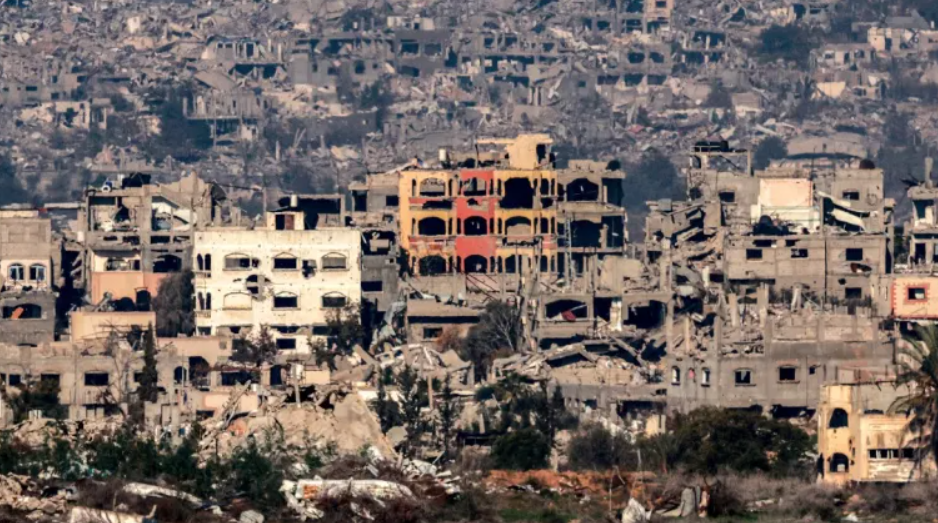
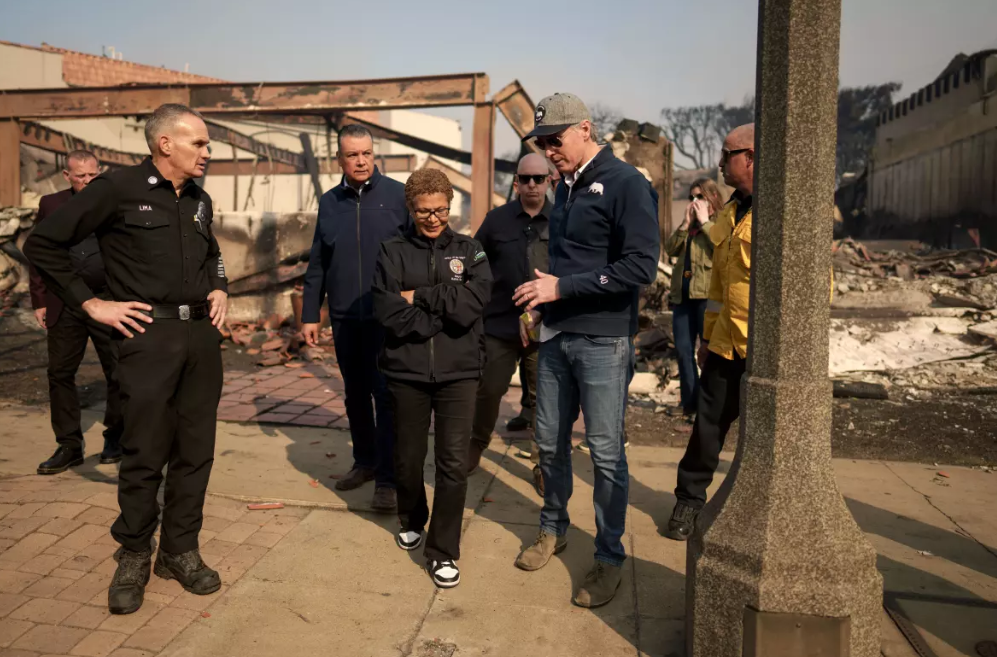
In response to the widespread destruction caused by last week’s wildfires that leveled thousands of homes and businesses, particularly in Pacific Palisades, Los Angeles Mayor Karen Bass has issued an executive order aimed at accelerating rebuilding efforts. The fires left the city grappling with a significant housing and infrastructure crisis, prompting swift action from local authorities.
Key Provisions of Executive Order 1
Mayor Bass’ Executive Order 1 mandates city departments to expedite the review process for rebuilding projects. Specifically, it requires project reviews to be completed within 30 days of a complete application submission. Additionally, it waives discretionary hearings under existing zoning regulations, provided property owners do not expand the size of their homes or businesses by more than 10%.
“This unprecedented natural disaster warrants an unprecedented response that will expedite the rebuilding of homes, businesses, and communities,” Bass said in a statement. “This order clears away red tape and bureaucracy to organize around urgency, common sense, and compassion. We will do everything we can to get Angelenos back home.”
Coordination with State-Level Efforts
Bass’ order follows a similar executive order issued by California Governor Gavin Newsom, who waived environmental regulations at the state level to fast-track rebuilding in affected areas such as the Palisades and Altadena. Mayor Bass commended the governor’s initiative, noting that local government efforts would complement state actions to ensure a faster recovery process.
Challenges in Rebuilding
Analysts have highlighted that Los Angeles’ complex and time-consuming permitting process has long been a barrier to homebuilding, even before the recent fires. While Bass and Newsom’s orders are designed to simplify the process, the success of these measures will depend on how well they are implemented. Key factors include the availability of staff to process permits and possible exemptions from existing regulations in high-priority areas like the Palisades.
Additional Measures in the Executive Order
In addition to speeding up project reviews, the executive order establishes dedicated task forces to address critical issues, including:
- Debris removal to clear damaged sites quickly
- Mudslide mitigation to prevent further damage from potential rain-induced landslides
- Temporary occupancy approvals for multifamily developments nearing completion, to increase the availability of housing units in the short term
These task forces will work in coordination with local agencies to mitigate immediate risks and help displaced residents return to their communities as soon as possible.
Calls for Broader Action
Azeen Khanmalek, executive director of Abundant Housing LA, welcomed the mayor’s order as a positive step toward rebuilding but urged the city to go further. “Given the scale of the crisis, Los Angeles must take bold action to fast-track new housing developments across the city, not just in fire-affected areas,” Khanmalek said. He emphasized the need for a broader approach to tackle the city’s existing housing shortage and prevent future bottlenecks.
A Long Road Ahead
While the executive orders from both local and state leaders offer hope for faster recovery, many challenges remain. With thousands of displaced residents, damaged infrastructure, and the threat of mudslides looming, Los Angeles faces a long and complex rebuilding process. Still, city officials are optimistic that the coordinated efforts will pave the way for a more resilient future.
As rebuilding efforts get underway, residents and stakeholders alike are watching closely to see how effectively the city can overcome bureaucratic hurdles and deliver on its promises of swift recovery. For now, the focus remains on immediate action—getting permits approved, clearing debris, and ensuring that communities can begin to rebuild their lives.