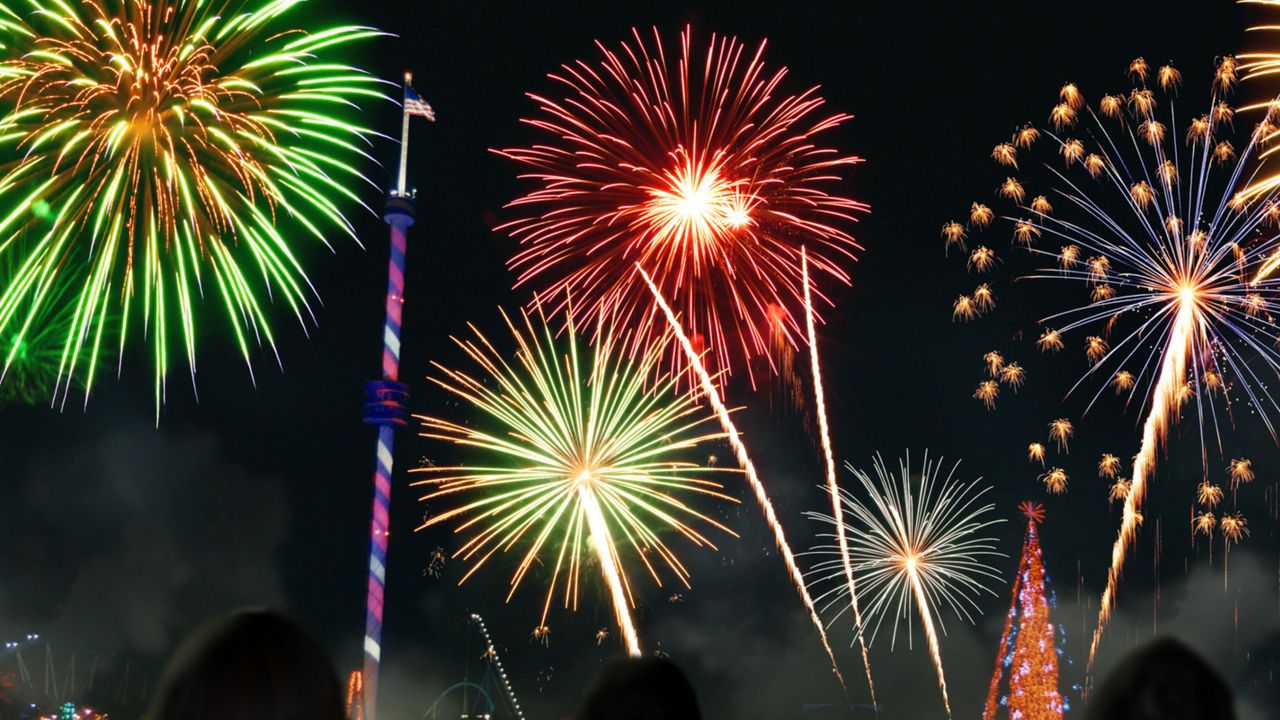
Every year, millions of fireworks illuminate the skies on New Year’s Eve, marking a global celebration of hope and new beginnings.
The Health Hazards of Fireworks
Fireworks release fine particulate matter (PM2.5), heavy metals, and toxic gases into the air. These pollutants, while short-lived, can have significant effects on human health. Studies from cities like Graz, Austria, and Brno, Czech Republic, show spikes in particulate air pollution after firework events. In Germany, a decade-long study revealed that PM2.5 levels drastically increased on New Year’s Day, with 80% of these particles small enough to penetrate deep into the lungs.
In places like California, PM2.5 levels during July 4th celebrations can be 1.5 to 10 times higher than normal, with concentrations quadrupling in areas close to large displays. These particles are linked to respiratory conditions, heart disease, and low birth weight. Vulnerable groups, such as children and people with asthma, are particularly at risk. A Hungarian study showed that children absorb particulate pollution from fireworks three times more than adults.
Peter Brimblecombe, an environmental scientist, highlighted the issue in a 2023 study on air pollution in Honolulu, Hawaii. He found sharp rises in PM2.5 levels after fireworks, much of it from illegal purchases. Although air quality typically improves by the next day, frequent exposure can exacerbate health problems.
Environmental Impact in Bangladesh
For a country like Bangladesh, which already faces significant environmental challenges, the consequences of fireworks are compounded. Urban areas such as Dhaka and Chattogram suffer from some of the world’s worst air quality. Fireworks during celebrations like Pohela Boishakh or international New Year events add further stress to the air, contributing to smog and respiratory issues.
The release of sulphur dioxide, carbon monoxide, and heavy metals like barium and strontium further contaminates the air. These metals, which give fireworks their vibrant colors, can be toxic. Tests on animals have shown that exposure to these pollutants can harm internal organs, and similar risks may apply to humans.
Fireworks and Wildlife Disturbance
Fireworks also significantly impact wildlife. The loud explosions and bright flashes cause distress among animals, particularly birds. A European study revealed that Arctic geese fled their sleeping sites on New Year’s Eve, flying as far as 500 km without rest, and never returned to their original habitats. Similarly, in 2011, nearly 5,000 blackbirds died in Arkansas after being startled by fireworks, colliding with trees and buildings.

In Bangladesh, where migratory birds frequent wetlands, fireworks can disrupt their natural behavior and nesting patterns. Events like Victory Day or New Year’s Eve celebrations in cities near wetlands, such as Sylhet, can have long-term impacts on wildlife populations.
Water Pollution and Soil Contamination
Fireworks don’t just pollute the air; they contaminate water and soil. Studies in the US found elevated levels of perchlorates, chemicals used as propellants in fireworks, in lakes and rivers after large displays. In Oklahoma, perchlorate levels rose 1,000 times after a single event, taking weeks to return to normal. These chemicals can seep into drinking water and interfere with thyroid function.
Bangladesh, already struggling with water pollution from industrial waste, cannot afford additional contamination from fireworks. Rivers like Buriganga and Shitalakhya are already under severe threat from pollutants, and adding perchlorates to the mix worsens the situation.
Plastic debris from fireworks also contributes to microplastic pollution. Research on the River Thames in London found a 1,000% increase in microplastics following New Year celebrations. These microplastics, ingested by aquatic life, can eventually enter the human food chain. For Bangladesh, where rivers play a vital role in both ecology and economy, such pollution is particularly concerning.
Fireworks and Wildfires
In many parts of the world, fireworks are a leading cause of wildfires. In the US, between 1980 and 2017, nearly 11,294 wildfires were attributed to fireworks. While Bangladesh’s humid climate reduces wildfire risk, rural celebrations involving fireworks in drier areas like Rajshahi or Sylhet during the winter could lead to accidental fires, posing a significant threat to lives and property.
Exploring Sustainable Alternatives
The good news is that environmentally friendly alternatives to traditional fireworks are emerging. Clean-burning nitrogen-based fuels reduce smoke and heavy metal pollution. In some parts of the world, drones and laser light shows are being used as replacements. These alternatives are quieter, reusable, and emit no harmful substances, though they come with limitations.
In Bangladesh, incorporating such alternatives during celebrations could significantly reduce environmental damage. Laser light shows, for example, could be used during large public events like Independence Day, ensuring both a visual spectacle and environmental protection.
Balancing Tradition and Sustainability
Fireworks are deeply rooted in cultural celebrations, and it’s not realistic to expect an overnight shift. However, raising awareness about their environmental and health impacts can encourage more responsible use. Simple measures, such as limiting the duration and number of fireworks, using eco-friendly options, and avoiding displays near sensitive ecosystems, can make a big difference.
For Bangladesh, where air and water quality are already critical issues, adopting sustainable practices for public celebrations is not just a choice but a necessity. While fireworks continue to light up our skies, it’s essential to remember their hidden costs and work toward a more sustainable future.