As the violence in Gaza intensifies, the death toll of children caught in the crossfire has reached harrowing numbers, underscoring the devastating impact of the conflict on the youngest and most vulnerable. With recent figures reporting over 5,000 Palestinian children killed, the humanitarian crisis is spotlighting the urgent need for global intervention and peace efforts to prevent further loss of innocent lives.
According to the Palestinian Ministry of Health, the latest statistics reveal that more than 13,000 Palestinians have been killed in Gaza since the renewed hostilities began. Nearly half of these casualties are children, with 786 infants under the age of one among the victims. UNICEF has issued multiple statements condemning the violence, emphasizing that the humanitarian toll has reached “unprecedented and deeply concerning levels.” In the occupied West Bank, at least 165 children have been killed in the past months, marking an alarming rise in civilian casualties as the conflict escalates.
Chris Sidoti, a prominent UN investigator and human rights advocate, highlighted these devastating statistics in his recent address, calling the deaths of Palestinian children “the clearest evidence of the toll this conflict is taking on the next generation.” He expressed the profound sorrow shared by many as the numbers continue to rise: “Children are not terrorists. The systematic targeting of young lives exposes the severe consequences of this occupation and ongoing violence.”
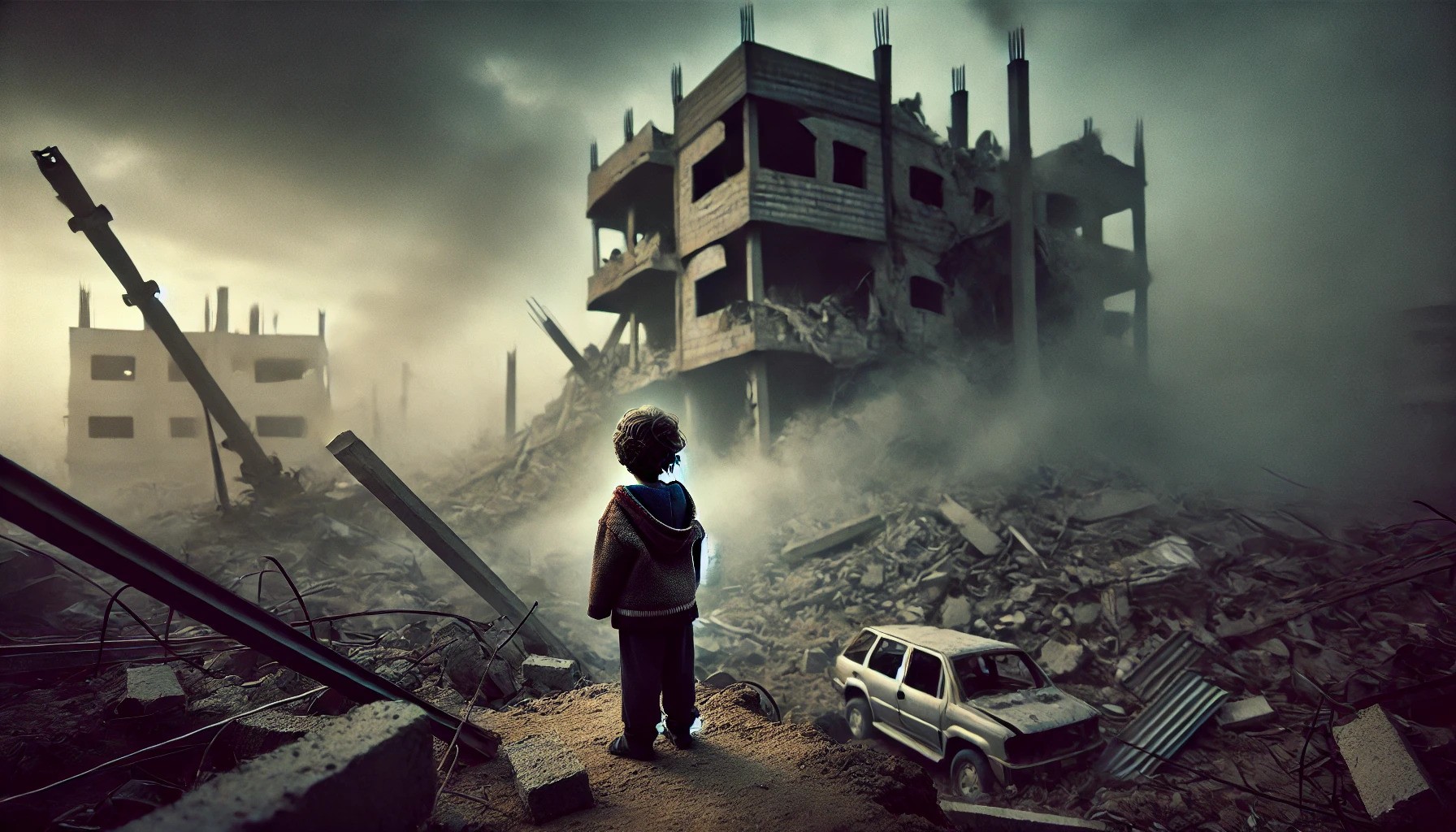
UN agencies and humanitarian organizations have sounded the alarm on the escalating violence, urging both the international community and the conflicting parties to protect children and ensure their safety. Yet, the situation on the ground remains dire. Schools and homes have become unsafe, with many children witnessing the destruction of their neighborhoods, the loss of family members, and severe psychological trauma that experts warn will last a lifetime.
The UN Office for the Coordination of Humanitarian Affairs (OCHA) reports that nearly half of Gaza’s 2.3 million residents are children, living under severe conditions exacerbated by ongoing blockades and a lack of access to essential resources. Hospitals are overwhelmed, with medical supplies and personnel stretched thin. The World Health Organization (WHO) has raised urgent concerns about a surge in malnutrition among Palestinian children, with acute food shortages and medical crises compounding the suffering.
The International Criminal Court (ICC) and various human rights organizations have expressed intent to investigate the alleged war crimes, focusing on the indiscriminate targeting of civilians. Navi Pillay, former ICC judge and a member of the UN inquiry into the Gaza conflict, noted that the killing of children is in clear violation of international humanitarian law. “This is a matter of profound legal and moral urgency,” she stated, urging world leaders to take decisive action to prevent further harm.
For families in Gaza, the consequences of the conflict are immeasurable. Stories of parents losing their children, sometimes multiple members of the same family, have become heartbreakingly common. Many families are now struggling not only with loss but with a profound sense of fear for their remaining children’s safety. Khaled, a father of three who lost his youngest son in an airstrike, expressed his grief and despair, saying, “Every day, I wonder which of my children might be taken next. There is no place safe for us here.”
Psychologists and child welfare experts warn of the long-term impact that exposure to war and trauma has on children. The lack of stability, access to education, and basic needs has created an environment that could fuel cycles of violence. Many children in Gaza are already suffering from post-traumatic stress disorder, anxiety, and depression due to their exposure to constant bombardments and loss.
UNICEF and other child advocacy organizations continue to call for immediate ceasefires to allow humanitarian aid into the region, ensuring the safe evacuation and treatment of injured children. Their calls echo through UN chambers, yet global inaction continues to undermine these urgent appeals.
The plight of Gaza’s children has mobilized activists and citizens around the world, with protests and social media campaigns demanding accountability and protection for Palestinian civilians. Sidoti and other UN experts argue that immediate steps must be taken to provide safe corridors for families to escape the most dangerous areas and for medical supplies to reach Gaza’s hospitals. They urge governments to push for diplomatic negotiations that address the root causes of the conflict to prevent further tragedy for the youngest generation.
The cycle of violence in Gaza is not new, but the toll on children has reached an unprecedented level that the international community cannot ignore. The loss of so many young lives has amplified calls for justice, peace, and a future where children are no longer casualties of a seemingly unending conflict.