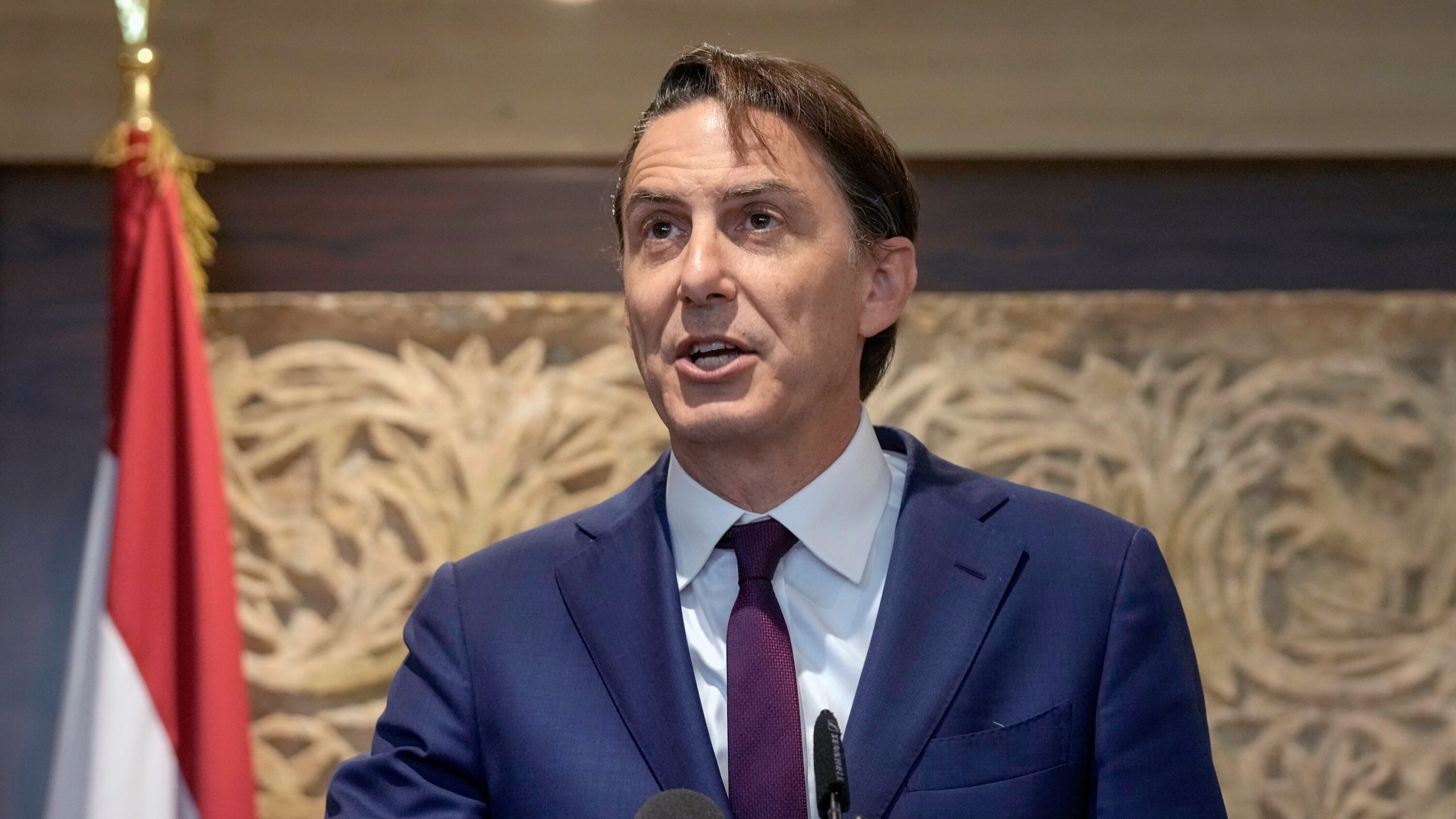
In a significant development, U.S. envoy Amos Hochstein announced on Monday that the Israeli military will fully withdraw from southern Lebanon, despite earlier reports suggesting Israel’s intent to maintain a presence. The withdrawal process began in Naqoura, a town in the western sector near the Blue Line, the de facto border between Israel and Lebanon.
According to Hochstein, Israeli forces have started retreating, and the process will continue until they are entirely out of Lebanese territory. However, no specific timetable for the full withdrawal was provided. The move follows a ceasefire agreement reached in November, mandating Israeli forces to exit Lebanon by January 26, 60 days after the agreement’s implementation.
Ceasefire Agreement and Challenges
The ceasefire, brokered between Israel and Hezbollah, requires both sides to adhere to several conditions. Israel is expected to withdraw its troops, while Hezbollah is obliged to retreat north of the Litani River, about 30 kilometers from the Israeli border. Despite the agreement, tensions remain high, with Israel accused of violating the ceasefire through frequent air strikes and ground incursions into Lebanese territory.
Lebanon’s Prime Minister Najib Mikati strongly rejected any delays in Israel’s withdrawal, emphasizing the need for a timely exit as stipulated by the agreement. The United Nations has also reiterated its call for a “timely” withdrawal, underscoring the importance of adhering to the agreed timeline.
Hezbollah’s Response and Warning
Although Hezbollah has largely refrained from retaliatory actions, the group has expressed dissatisfaction with Israel’s ongoing military activities in Lebanon. Hezbollah’s deputy leader, Naim Qassem, issued a stern warning, stating that while the group is allowing diplomatic efforts to resolve the situation, its patience is not unlimited. “When we decide to act, the response will be swift and direct,” Qassem warned, hinting at possible military retaliation if Israel continues its provocations.
Hezbollah’s campaign against Israeli positions began during Israel’s 15-month war on Gaza. The group claimed that its attacks were intended to pressure Israel into ending its offensive in Gaza. The conflict escalated into a full-scale war, during which Israel launched a devastating offensive in Lebanon, resulting in thousands of casualties and extensive destruction.
Historical Context: War and Its Aftermath
Israel’s offensive in Lebanon dealt heavy blows to Hezbollah, targeting key leaders and infrastructure. Despite suffering significant losses, Hezbollah claimed victory, asserting that it successfully halted Israel’s ground advances and inflicted substantial damage on Israeli forces. Throughout the conflict, Hezbollah continued launching rockets and drones into Israeli territory, showcasing its resilience.
On Sunday, Israeli Defence Minister Israel Katz issued a warning, threatening military action if Hezbollah does not withdraw from border areas. However, U.S. envoy Hochstein expressed optimism about the fragile ceasefire, stating, “This process is not smooth, but it is successful.”
Current Situation on the Ground
The Lebanese army confirmed its deployment in Naqoura on Monday, a move seen as critical for maintaining stability in the region. However, local authorities have urged residents to stay away until roads are cleared of unexploded ordnance and safety is ensured.
As diplomatic efforts continue and both sides navigate a tense standoff, all eyes remain on whether Israel will complete its withdrawal by the stipulated deadline and whether Hezbollah will maintain its restrained stance. The coming weeks will be crucial in determining the stability of the ceasefire and the broader peace in the region.