
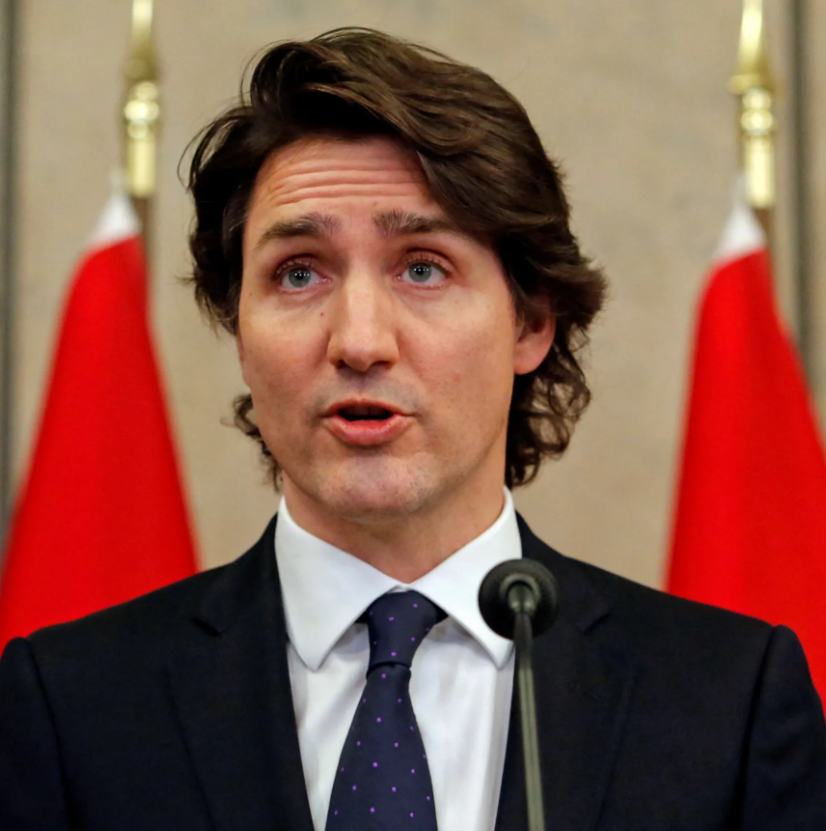
Canadian Prime Minister Justin Trudeau is reportedly preparing to resign this week following mounting pressure from within his own party, according to reports from the Globe and Mail. Unnamed sources within the Liberal Party indicate that Trudeau may announce his resignation as early as Monday, just ahead of a critical national caucus meeting scheduled for Wednesday. This move is seen as an attempt to avoid appearing forced out by his own lawmakers, who have increasingly called for his resignation both publicly and privately.
The pressure on Trudeau intensified after a significant blow to his government last month when Finance Minister Chrystia Freeland resigned. Freeland’s resignation letter criticized Trudeau’s leadership, sparking fresh calls from Liberal lawmakers for a change in leadership. Since Freeland’s departure, Trudeau has largely stayed out of the public eye, prompting further speculation about his future in Canadian politics.
The timing of Trudeau’s potential resignation is critical, coming just weeks before U.S. President-elect Donald Trump’s inauguration. Trump has made it clear that he intends to impose steep tariffs on imports from Canada, a move that could have significant economic implications for the country. Trudeau’s resignation would likely trigger a leadership contest within the ruling Liberal Party, creating political uncertainty at a crucial time for Canada’s international trade relations.
With Parliament’s current term set to end later this year, an election must be held before October 20, 2025. However, the Liberals’ declining popularity in recent polls suggests they could face significant challenges in maintaining power. A recent Ipsos poll conducted after Freeland’s resignation revealed that the opposition Conservatives hold a commanding 25-point lead over the Liberals, with support for the Conservatives at 45%. The poll also showed that 39% of Canadians believe Conservative leader Pierre Poilievre is better equipped to handle relations with Trump, compared to only 14% who felt Trudeau was capable.
Trudeau previously met with Trump at his Mar-a-Lago residence in Florida in November, describing the meeting as “productive.” Trump, however, made headlines when he reportedly suggested that Canada should consider becoming the 51st U.S. state if it feared the incoming administration’s tariffs would damage its economy. Shortly after, Trudeau publicly criticized Trump’s tariff plans, warning that they would make life more expensive for Americans. In response, Trump mocked Trudeau in a post on his Truth Social platform, referring to him as “Governor Justin Trudeau of the Great State of Canada” and saying he looked forward to further discussions on tariffs and trade.
Trump has proposed imposing a 25% tariff on all imports from Canada and Mexico as one of his first executive orders after taking office. He cited concerns about illegal immigration and drug trafficking as justification for the tariffs, claiming they would remain in place until those issues are resolved. The potential economic impact of such tariffs could be severe for Canada, making the political uncertainty surrounding Trudeau’s leadership even more consequential.