
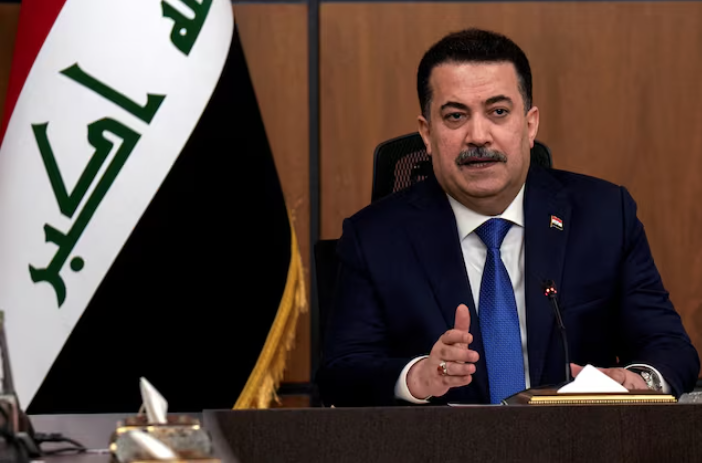
In a significant development, Iraq has formally requested the termination of the United Nations Assistance Mission for Iraq (UNAMI) by the end of 2025. This request was articulated by Prime Minister Mohammed Shia al-Sudani, who emphasized that the progress made by Iraq in areas of governance, security, and human rights has diminished the necessity for the UN’s political intervention.
Established in the aftermath of the 2003 U.S.-led invasion, UNAMI has been instrumental in supporting Iraq’s development through fostering political dialogue, aiding in election processes, and promoting human rights initiatives. However, the Iraqi government now believes that the country has advanced sufficiently and can manage its affairs without the overarching involvement of UNAMI.
This decision reflects Iraq’s broader strategy to reduce international intervention in its internal affairs. The government has also been moving to conclude other international engagements, including the U.S.-led coalition against the Islamic State, highlighting a return to sovereignty and national control over its policies and affairs.
Critics of the plan express concerns about Iraq’s stability, given the nation’s history of sectarian conflict and the presence of numerous militarized groups. These critics argue that the withdrawal of UNAMI might create a vacuum that could destabilize the hard-earned gains in Iraqi democracy and human rights. Additionally, issues like corruption, human rights, and freedom of expression remain as challenges that Iraq continues to face.
This move by Iraq coincides with similar actions in other nations, such as Somalia, which has also requested the termination of its UN political mission. These decisions underscore a growing trend where nations assert more control over their political and development agendas, signaling a new phase in their post-conflict recovery processes.