The Centre for Policy Dialogue (CPD) has proposed a minimum wage of BDT 22,776 for workers in the leather industry. However, workers currently receiving BDT 13,500 are demanding a minimum wage increase to BDT 25,000.
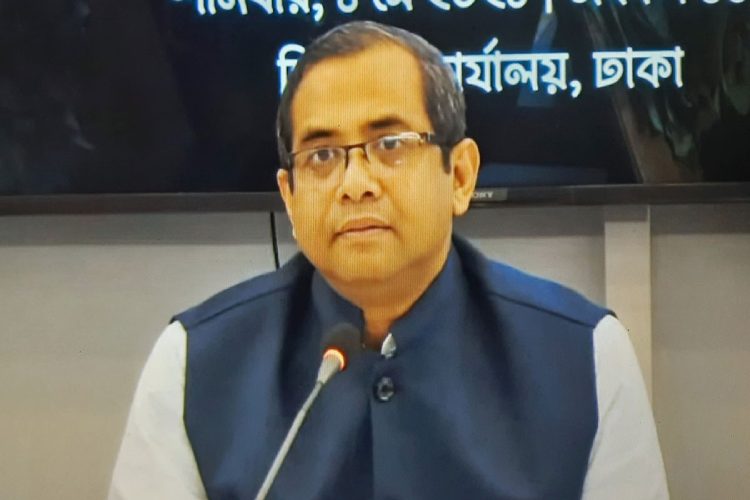
At a media briefing titled “Challenges in Implementing Minimum Wages in the Tannery Industry” held at CPD’s office in Dhanmondi on Saturday, these proposals were discussed.
Shaheen Ahmed, representing the employers, expressed that it would not be feasible for them to implement the wage of BDT 22,776. The chairman of the Minimum Wage Board stated that the final decision on wages would consider the interests of both the industry and the workers.
CPD’s wage proposal includes BDT 20,564 for food expenses and BDT 12,881 for non-food expenses, totaling BDT 33,445 needed every month. The proposal also takes into account the number of family members and their income using an anchor system.
The CPD suggests that the minimum wage should be set at BDT 22,776 and recommends establishing a grading system within the industry. The proposal includes subdividing grades (e.g., A, B, and C of Grade 5) to facilitate promotions and motivate workers.
The research was led by CPD’s Research Director Golam Moazzem, with Senior Researcher Tamim Ahmed presenting the main paper.
During the event, Liakat Ali Molla, chairman of the Minimum Wage Board and Shaheen Ahmed, President of Bangladesh Tanners Association (BTA), along with other industry stakeholders, shared their views.
Golam Moazzem noted that the first minimum wage board for tannery industry workers was formed in 1970 with a minimum wage of BDT 110. It was later set at BDT 1,440 in 1994, BDT 8,750 in 2011, and most recently BDT 13,500 in 2018. However, CPD’s research indicates that 69% of tannery owners do not comply with this wage regulations.
Labour leaders complain that due to a lack of supervision by the Ministry of Labour, employers fail to implement the minimum wage.
Shaheen Ahmed also highlighted the challenges faced by the industry due to its relocation from Hazaribagh to Savar, lack of sincerity from the Ministry of Industries in making tanneries eco-friendly, and increased dependence on China, which impacts their ability to implement minimum wages.
The chairman of the Minimum Wage Board pledged to work towards a viable solution, noting that tannery industry workers have the highest minimum wages among export-oriented industries, but also face significant health risks.