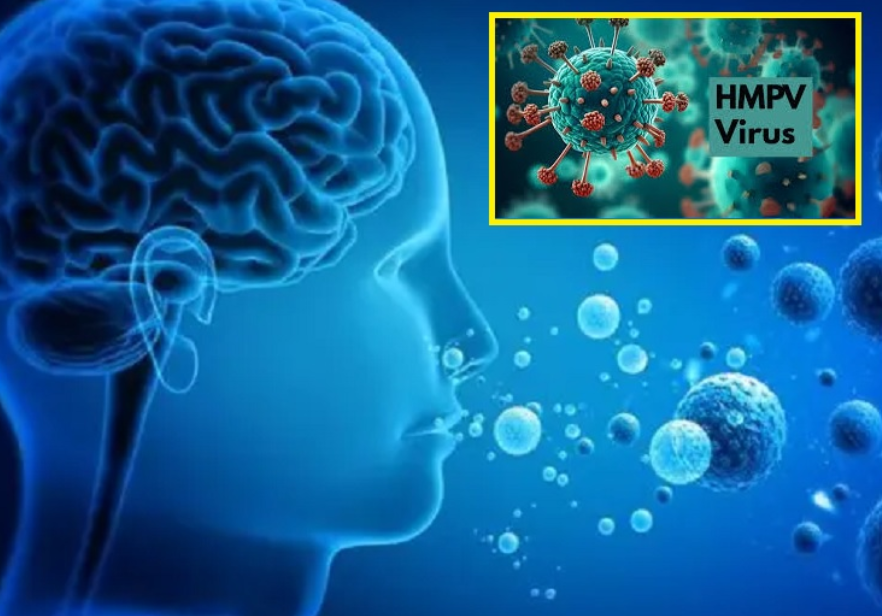
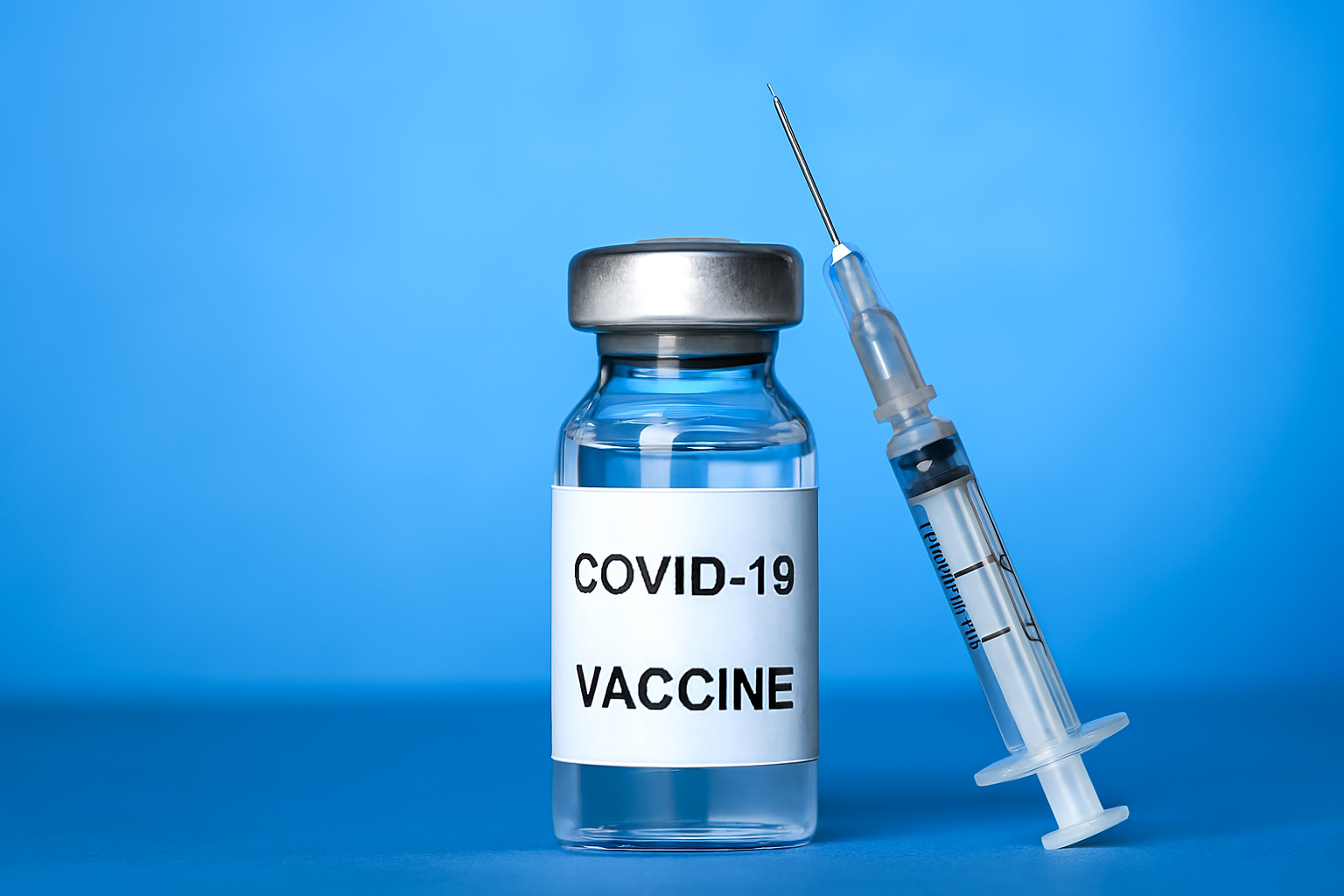
Across social media and neighborhood conversations, a question is quietly gaining momentum. Some say their runny nose and cough worsened after receiving the COVID vaccine. Others report new allergic reactions, like sneezing, itching, or red eyes, triggered by things that never bothered them before. The concern is growing: has the vaccine made people more vulnerable to colds and allergies?
With misinformation spreading fast, it is essential to ask what science actually says. Are these claims supported by evidence, or are they rooted in misunderstanding?
What happens after vaccination
COVID vaccines are designed to train the immune system to recognize and fight the virus. They introduce a harmless fragment of the virus, or a synthetic version of it, prompting the body to produce antibodies. These antibodies prepare the immune system to respond quickly if the real virus appears.
During this process, the immune system becomes temporarily activated. Mild symptoms such as low-grade fever, fatigue, headache, or a scratchy throat may occur. These are not signs of a cold, but rather expected immune responses that typically resolve within days.
Leading health authorities, including the World Health Organization (WHO), the U.S. Centers for Disease Control and Prevention (CDC), and the European Medicines Agency (EMA), have found no evidence linking COVID vaccines to long-term respiratory illness. A 2023 analysis published in the British Medical Journal concluded that rates of respiratory infections following mRNA vaccination were comparable to those in unvaccinated individuals.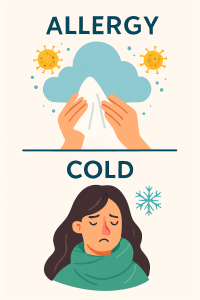
Why the misconception persists
So why do many believe their cold symptoms have worsened after vaccination? Several studies suggest psychological and environmental factors may be influencing this perception.
- Causal Attribution Bias: People often associate symptoms with recent events. If mild illness follows vaccination, it is easy to assume the vaccine is responsible, even when the timing is coincidental.
- Post-Lockdown Immune Adjustment: During extended lockdowns, reduced exposure to everyday pathogens may have left immune systems less trained. As people return to normal life, even routine colds may feel more intense.
- Seasonal and Environmental Triggers: Winter air, pollution, and indoor heating can exacerbate respiratory symptoms. These seasonal effects are often misattributed to vaccines.
What about allergies?
Scientific consensus remains firm. COVID vaccines do not increase long-term allergy risk.
Yes, a small number of individuals may experience immediate allergic reactions to vaccine ingredients such as polyethylene glycol (PEG) or polysorbate. However, these cases are exceedingly rare, less than one in a million, according to CDC data from 2024. Severe reactions like anaphylaxis occurred in only 0.002 percent of cases and were successfully treated.
There is no evidence linking COVID vaccines to new allergies to food, dust, pollen, or medications months or years after vaccination. Reviews by the National Institutes of Health (NIH) and the European Society for Immunology found no abnormal changes in IgE levels, the antibody associated with allergic responses.
Debunking the “Weakened immune system” myth
Some online claims suggest that vaccines weaken the immune system, even invoking the term “VAIDS,” or vaccine-induced AIDS. These assertions are not supported by any credible scientific data.
In fact, studies show that COVID vaccines do not impair the body’s ability to fight other infections. Some research notes an increase in IgG4 antibodies after vaccination, a sign of long-term immune adaptation, not suppression. Misinterpretation of this data has fueled confusion, but immunologists clarify that this is a normal and beneficial response.
The bottom line
To date, no peer-reviewed study has shown that COVID vaccines increase susceptibility to colds or allergies. On the contrary, vaccinated individuals are significantly less likely to experience severe illness, hospitalization, or death from COVID-19.
Mild symptoms like sneezing or fatigue may occur, but they are typically short-lived and unrelated to the vaccine itself. For persistent respiratory or allergic issues, consult a medical professional.
In an age of viral misinformation, public health depends on clarity. Trust science, verify claims, and rely on credible sources such as the WHO, CDC, and your national health authorities.
Source: WHO Vaccine Safety Database (2024), CDC VAERS Report (2023), BMJ (Vol. 382), NIH Immunology Review (2024)