

BNP Secretary General Mirza Fakhrul Islam Alamgir has voiced deep concern over what he described as a growing crisis and risk in Bangladesh’s pharmaceutical industry, a sector that has long made significant contributions to the economy, public health, and employment.
Highlighting the industry’s achievements, Fakhrul noted that domestic manufacturers now meet nearly 100% of local demand and export quality medicines to more than 160 countries, including the US, Europe, Canada, and Australia. He also pointed out that Bangladesh is advancing in the production of Active Pharmaceutical Ingredients (API).
Recalling BNP-era reforms, he cited landmark initiatives such as the 1994 drug pricing policy, the 2002 update of the national drug policy, strengthening the drug regulatory authority in 2003, leveraging the TRIPS waiver for affordable generic production, facilitating new drug registrations, providing export incentives, and investing in research and skilled workforce development– all of which, he said, contributed to the sector’s global success.
However, Fakhrul warned that recent “opaque and one-sided” government policies, along with inaction in certain areas, have created special risks.
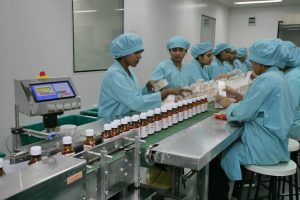
In particular, he criticised the exclusion of Bangladesh Association of Pharmaceutical Industries (BAPI) representatives from key bodies such as the Drug Control Committee, the taskforce on essential medicines, and the DCC’s technical sub-committee.
He stressed that policymaking and regulation should be transparent, participatory, and inclusive of industry professionals, adding that no committee should be formed or altered without involving stakeholders.
Fakhrul further expressed alarm that no new drug registrations have been granted for nearly two years, nor have medicine prices been adjusted for a long time.
He cautioned that delays could jeopardise Bangladesh’s TRIPS waiver benefits ahead of its LDC graduation on November 24, 2026, and urged the government to expedite new registrations.
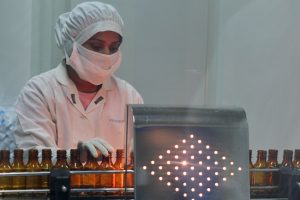
Describing the pharmaceutical industry as a “strategic national asset” rather than just a manufacturing sector, Fakhrul called for timely and responsible policy decisions to safeguard its future.
He urged the government to prioritise the sector’s protection, especially in light of LDC graduation, through collaboration between the public sector, private entrepreneurs, experts, and researchers.
BNP, he said, expects the government to engage with industry leaders to ensure stability and preserve the hard-earned global reputation of Bangladesh’s pharmaceutical sector through industry-friendly policies.