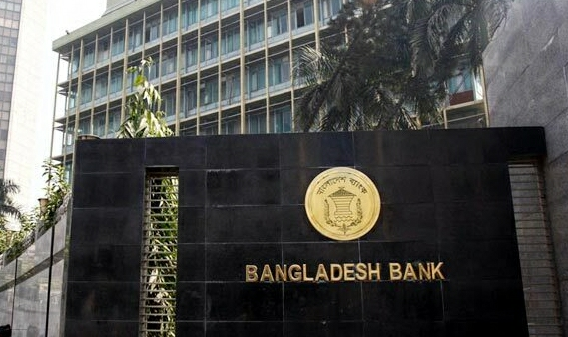
Bangladesh’s banking sector has plunged into fresh uncertainty as 23 banks are now grappling with severe capital shortfalls, according to updated statistics from Bangladesh Bank.
The combined capital deficit of these state-owned, specialised, and private banks reached Tk 111,289.14 crore.
The central bank report identifies long-standing irregularities, corruption, political influence, and weak management as key reasons behind the crisis.
A large portion of loans disbursed under such conditions turned into defaults, pushing banks deep into deficit.
Analysts warn that the problem threatens not just individual institutions but the overall stability of the financial sector.
Among the worst-hit banks are Bangladesh Krishi Bank, Union Bank, Janata Bank, First Security Islami Bank, National Bank, Islami Bank Bangladesh Ltd., Agrani Bank, Padma Bank, Rupali Bank, and Global Islami Bank.
Other affected lenders include AB Bank, BASIC Bank, IFIC Bank, Rajshahi Krishi Unnayan Bank (RAKUB), Social Islami Bank, EXIM Bank, United Commercial Bank, Citizens Bank, Shimanto Bank, and foreign lender Habib Bank.
Each of these institutions reported deficits running into several thousand crores.
The crisis, according to the Bangladesh Bank report, reflects financial weaknesses and risks that had accumulated under the previous Sheikh Hasina–led government.
Years of politically influenced lending and poor oversight allowed large-scale irregularities to remain hidden. With a new administration in place, the extent of mismanagement is becoming more visible, exposing systemic fragility in the banking industry.
To address the crisis, Bangladesh Bank announced plans to merge five deficit-ridden banks and is assessing the financial health of 11 more. Banks with capital shortfalls have been asked to submit realistic restructuring plans, failing which administrative and legal measures will follow.
Adding to the pressure, non-performing loans (NPLs) have soared to a record level.
By March 2025, defaulted loans stood at Tk 420,335 crore– 24.13 percent of total disbursed credit, which amounted to Tk 1,741,992 crore. Alarmingly, defaults rose by Tk 74,570 crore in just three months between December 2024 and March 2025, marking the sharpest quarterly increase in Bangladesh’s banking history.
Economists and financial analysts say the crisis reflects deep-rooted structural flaws in the sector– ranging from lack of transparency to weak regulatory oversight. Despite repeated opportunities, many banks have failed to recover from capital deficits. Experts blame lax supervision, poor accountability, and the absence of punitive measures.
They warn that without urgent and effective reforms, the crisis could severely undermine confidence in the banking system. Stronger regulatory enforcement, depoliticized governance, and stricter measures against loan defaults are seen as essential to restoring stability.